
Blog
VPS Makers blog base is regularly updated, expanded and modified to ensure you have access to the latest information on the hosting and virtualization industry!
Windows vs Linux VPS: Which Operating System Should You Choose?
Choosing between Windows and Linux is one of the first decisions you’ll make when you don’t know which VPS operating system to start with. Both operating systems offer a reliable environment for hosting applications and running server workloads. However, they differ in software compatibility, resource usage, management, and flexibility. In this guide, we’ll explore the use cases for both Windows and Linux VPS hosting and […]
How to Install and Use google Chrome Remote Desktop?
Google Chrome Remote Desktop is a simple way to remotely access and control a computer from another device. It allows you to connect to your computer or even a Windows VPS without needing to install a traditional remote desktop client. However, when you purchase a Windows VPS, you are typically provided with RDP access, which allows you to connect to your VPS from almost any […]
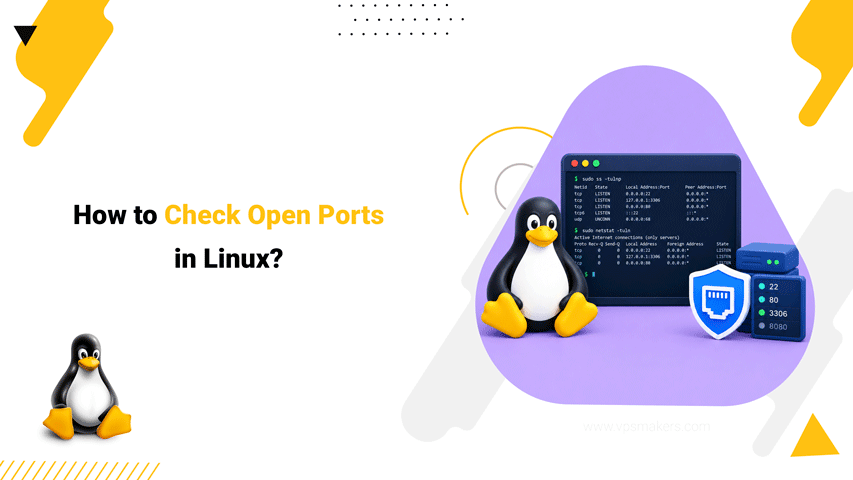
How to Check Open Ports List in Linux
In Linux, there are several ways to check which ports are open and which services are listening for incoming network connections. There are some common tools, including ss, netstat, lsof, nmap, and netcat (nc). Depending on the tool, you can view listening ports, identify the process using them, or scan a host to check which ports are accessible. In all network systems, open ports act […]

How to install WordPress on cPanel?
To install WordPress on cPanel, you need to have cPanel hosting from a shared hosting provider or install cPanel yourself and configure it manually on a Linux VPS. Both shared hosting and VPS can provide access to cPanel, but they differ in how the server resources are allocated and managed. After getting access to cPanel, you have several ways to install WordPress using the cPanel […]
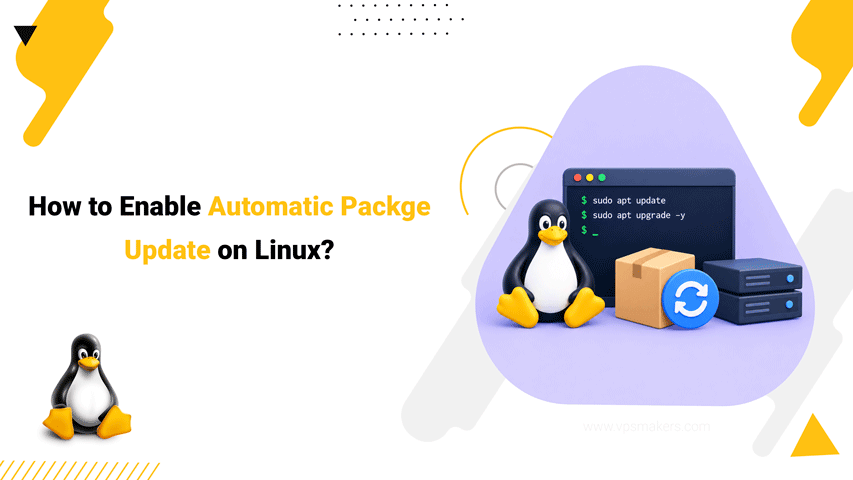
How to Enable Automatic Updates in Linux
Automating package updates is useful for maintaining server security and stability. Both Debian and RHEL distributions offer tools to manage this process automatically. By default, these tools check for updates once a day. In this guide, you’ll learn to enable and disable your Linux updates automatically and restart the package services that are needed to restart after an upgrade. Enable Auto Updates on Ubuntu and […]
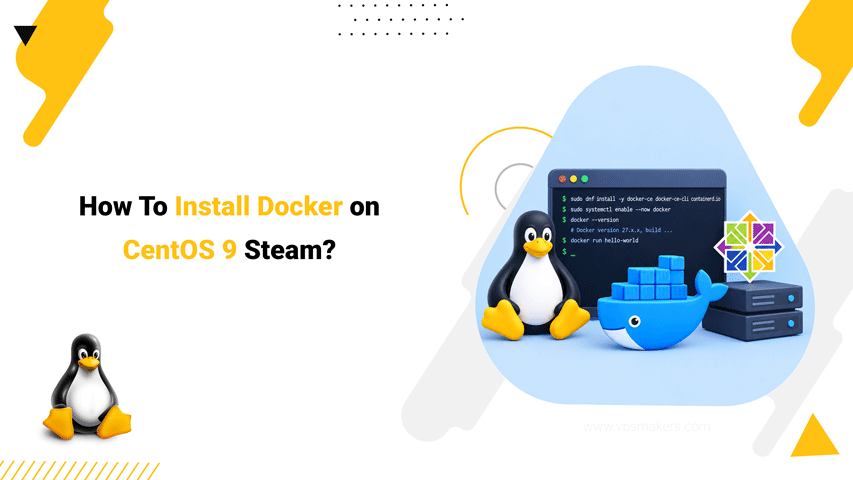
How to Install Docker on CentOS 9 Stream?
Docker installation on CentOS distributions has several methods, including installing with a shell script, RPM packages, and the Docker repository itself. Running Docker for some projects requires a stable connection on secure infrastructure to give you the best experience. To run projects easily on Docker, it’s better to use a CentOS system with enough resources and a stable network connection to make sure the project […]
Install Nginx From Source Code on Ubuntu
Nginx can be installed with a tar file, which you can download from the official Nginx website. In this method, you need to download the tar file, extract it, and then compile the source code yourself to build the application. This is a more advanced method. If you want an easier option, we recommend installing it with the Linux package manager; you can learn how […]
How to Open a Port or IP With UFW in Ubuntu?
If you are using UFW as your firewall on Ubuntu, Debian, or any other Linux distribution, this guide will show you how to open a port and allow access from a specific port, IP address, or network using the UFW firewall. Before starting to open a port or allow an IP address connection to your Ubuntu, you should verify that you have UFW installed and […]
How To Change Windows VPS password?
Windows Server has an administrator user, so when you buy a Windows VPS, you might log in as the administrator user and only need to change the administrator password, even if you purchase a Windows Client like 10 or 11. Also, you have to be logged in as an administrator to change other user’s passwords; you can use it to change Active Directory user passwords. […]
How to Install Nginx on Ubuntu Server?
Nginx can be installed by various methods, including using the apt repo and adding the Nginx repo itself, which you’ll learn to install on Ubuntu Server, install its dependencies, configure the firewall, and test the installation of Nginx. To install Nginx on Ubuntu, the recommended method is to use the Ubuntu apt package manager, because it uses the latest release for your current Ubuntu Noble […]