
Blog Linux
What is Cockpit in Linux?
Cockpit is an open-source, lightweight web-based tool designed to help administrators manage and monitor Linux servers directly from a browser. It provides various management and monitoring tools while using your existing server credentials. Red Hat makes and supports it. It is mostly developed on Fedora, a RHEL-based Linux distribution. Cockpit is pre-installed on server versions of Fedora and gets new features first. Cockpit Use Case in […]
How to Install Ubuntu Desktop on VMware Workstation Pro 26?
To install Ubuntu Desktop on your Windows PC without installing it directly on your hardware, you can install it as a virtual machine using VMware Workstation, which gives you an isolated environment for development or testing. But if you want to use it for a production enviornment its not recommended to use VMware on your local computer; you can instead use an online Ubuntu VPS […]
How to Backup SSH Key on Ubuntu?
The safest way to back up SSH keys on Ubuntu is to create an encrypted archive of your .ssh directory and store it on a separate server or storage device. If you use SSH key authentication to log in to your server, backing up your SSH keys is crucial. If your SSH private key is corrupted or deleted, you could be locked out of your […]

How to find VPS IP address in Ubuntu?
Finding the IP address of your VPS is one of the first things you may need when managing an Ubuntu server. Whether you want to configure a firewall, configure a domain, or troubleshoot your network, you need to know which IP address your server uses. In Ubuntu, there are several ways to find your IP address, depending on how you use your server. You can […]
How to Remove a Directory in Linux?
In Linux, removing a file or directory is a basic operation that any Linux user needs to learn; however, it seems simple, but it has different methods, each with its specific use cases. In Linux, when working with directories, the way of removing depends on whether the directory contains content or not. If the directory contains content, removing it with the rm command without using […]
How to Update Packages in Linux?
Updating and upgrading packages in Linux is the first thing we need to do before any installation on any Linux Server. This action is mostly the same across Linux distributions, but it has some small differences because of the package manager of each distribution. In the following guide, you will learn about simple package updates and upgrades, full system upgrades, and how you can use […]
How to Install Chrome on Ubuntu 22.04?
Google Chrome is a feature-rich web browser favored by various operating systems, including Linux. Although Chrome is not available in the software centers of Ubuntu, it is possible to install Chrome on Ubuntu 22.04 using the terminal. In this tutorial, you will learn how you can install Google Chrome manually, with the snap package manager, and using a GUI solution. This helps you to install […]
How to Install OpenSSH on Ubuntu Server?
To connect to a Linux server or any other remote system, the most common and secure method is to use SSH (Secure Shell). But in some Linux systems, SSH is not enabled, so to use an SSH connection, you need to install OpenSSH. There are several ways of installing OpenSSH on Ubuntu, and in the following article, you will learn how to install it using […]
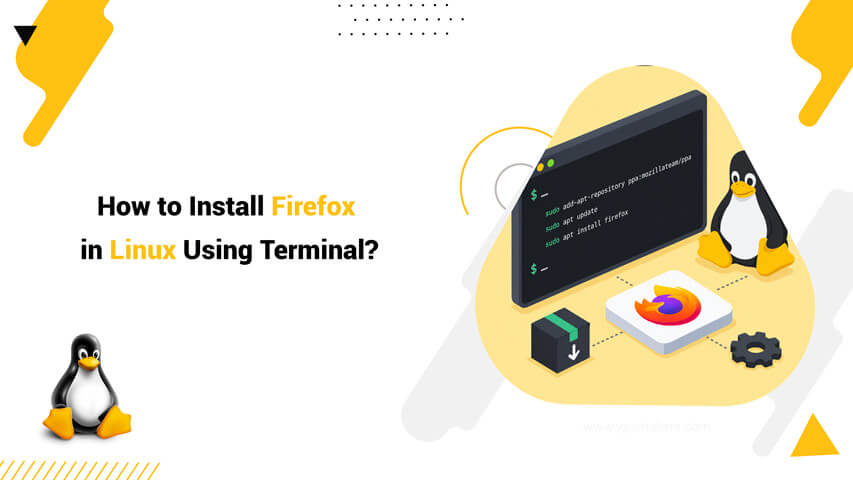
How To Install Firefox on Ubuntu?
Installing Firefox on Linux devices is simple. Even if you are a beginner to Linux, you can install Firefox easily by running a few commands on your Ubuntu desktop or Ubuntu Server. However, Firefox requires a graphical interface (GUI) to run. If you are using Ubuntu Server, you need to install Gnome on your server, which is a desktop environment that you can connect to […]
How to Delete User in Ubuntu Server?
To reduce possible attacks and keep your system safe and organized, you need to remove unused users from time to time. To remove users, Ubuntu offers two tools to use: deluser and userdel, which work the same way same, but in this article, you will learn how you can remove a user in your Ubuntu Server using deluser, which offers additional options. To start the deletion […]